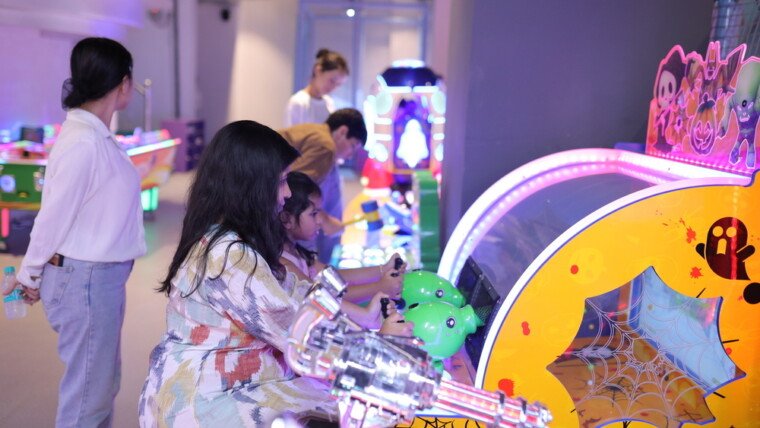
If you’ve ever heard your child say “I’m bored” just minutes after finishing a game, activity, or cartoon, you’re not alone. Many parents today notice that children seem to lose interest much faster than previous generations. Increased screen exposure, constant digital stimulation, limited physical activity, and fewer opportunities for real-world social interaction have changed the way children engage with their surroundings.
The good news is that boredom isn’t the problem—it’s often a sign that children need more meaningful engagement. This is where active play for kids becomes essential. At Piffy Park, a popular kids play zone in Dwarka, children are encouraged to move, explore, create, and interact in ways that keep them engaged while supporting healthy development. Through exciting, hands-on experiences, active play helps children build focus, confidence, creativity, and social skills in a fun and natural way.
Why Modern Childhood Is Different
Today’s children are growing up in a world filled with instant entertainment. With videos, games, and digital content available at the touch of a button, children can quickly become accustomed to constant stimulation.
At the same time, many children have fewer opportunities for unstructured play than previous generations. Busy schedules, increased screen time, and limited access to safe play environments can all affect how children spend their free time.
As a result, some children may find it difficult to stay interested in activities that require patience, creativity, or physical effort. They may move rapidly from one activity to another in search of something new and exciting.
Why Do Kids Get Bored So Quickly?
Several factors contribute to shorter attention spans and increased boredom among children:
Children naturally have high energy levels. When they do not have enough opportunities to run, climb, jump, and explore, they may become restless and disengaged.
Watching videos or using screens can be entertaining, but these activities often require little active participation. When children spend large amounts of time-consuming content, they may become less interested in activities that require imagination and effort.
Repeating the same activities every day can reduce excitement. Children are naturally curious and often enjoy environments that offer new challenges and opportunities for discovery.
Playing with other children helps keep activities dynamic and engaging. Social play introduces cooperation, problem-solving, and creativity that can sustain a child’s interest for longer periods.
Signs Your Child May Need More Active Play
Every child experience boredom occasionally, but some behaviours may suggest they need more opportunities for active engagement.
Common signs include:
- Losing interest in activities very quickly
- Frequently asking for screen time
- Appearing restless or unable to sit still
- Constantly seeking new forms of entertainment
- Struggling to stay focused on tasks
- Showing limited interest in imaginative or creative play
- Having difficulty interacting with peers during play
When these signs appear regularly, introducing more active play opportunities may help children stay engaged while supporting their overall development.
What Is Active Play?
Active play refers to activities that encourage children to move, explore, create, and interact with their surroundings. Unlike passive forms of entertainment, active play requires children to participate physically and mentally.
Examples of active play include:
- Climbing
- Running
- Jumping
- Obstacle courses
- Pretend play
- Creative activities
- Team-based games
- Exploratory play experiences
Active play allows children to learn through experience while having fun at the same time.
How Active Play Keeps Children Engaged
One reason active play is so effective is that it combines movement, creativity, and social interaction. Instead of focusing on a single activity, children can continuously explore new challenges and experiences.
Physical activity helps children release energy in a healthy way. Movement-based play keeps children actively involved and reduces feelings of restlessness.
Many active play experiences allow children to create stories, solve problems, and use their imagination. This type of engagement often holds attention longer than passive entertainment.
Playing alongside other children encourages communication, cooperation, and teamwork. Social interaction adds variety to play and helps children remain interested for longer periods.
Activities that involve exploration and problem-solving provide children with a sense of achievement. Successfully completing a challenge motivates them to continue participating.
The benefits of active play are greatest when children have access to an environment that encourages movement, exploration, and interaction. Rather than relying on screens or repetitive activities, children thrive when they can engage with different experiences that keep them physically and mentally involved.
As a leading play area Dwarka families trust, Piffy Park combines movement-based activities, creativity, and social interaction to create engaging experiences that go beyond passive entertainment. Children can explore different challenges in a safe environment while enjoying a variety of kids activities Dwarka parents actively seek.
At Piffy Park, children have opportunities to participate in a variety of engaging activities that promote active play. By encouraging movement, creativity, exploration, and peer interaction, Piffy Park helps children stay interested for longer periods while supporting confidence, coordination, communication, and overall development.
Myth: Kids Need Constant Entertainment
Reality: Children do not always need adults to keep them entertained. Opportunities for active and independent play often encourage creativity and self-confidence.
Myth: More Toys Solve Boredom
Reality: While new toys can create temporary excitement, long-term engagement usually comes from meaningful experiences and varied activities.
Myth: Screen Time Is the Best Way to Keep Kids Occupied
Reality: Screens can provide entertainment, but children also benefit from activities that encourage movement, exploration, and social interaction.
Myth: Boredom Is Always Negative
Reality: Occasional boredom can motivate children to become creative, explore new interests, and develop problem-solving skills.
In fact, excessive screen dependency is one of the biggest contributors to boredom and reduced engagement. Parents looking to understand this challenge in greater detail can also explore our guide on Why Screen Addiction Is Increasing Among Kids, And How Parents Can Escape the Loop.
How Parents Can Encourage Active Play in Today's World
Parents can support active play in several simple ways:
- Encourage outdoor play whenever possible
- Limit passive screen time and balance it with physical activities
- Provide opportunities for creative and imaginative play
- Arrange playdates and group activities
- Choose environments that offer a variety of engaging experiences
For many families, finding enough opportunities for active play can be challenging due to busy schedules, limited outdoor spaces, or changing weather conditions. Indoor play centres have become a practical solution because they provide safe spaces where children can move freely, interact with others, and participate in different activities throughout the year. For families searching for a reliable play zone in Dwarka or places for kids in Dwarka, these environments offer opportunities for regular active play regardless of weather conditions.
Why Families Choose Piffy Park for Active Play
Parents often look for environments that keep children engaged while supporting healthy development. A well-designed play environment should encourage physical activity, social interaction, creativity, and exploration rather than passive entertainment.
Piffy Park is designed with these goals in mind. By offering a safe and engaging setting where children can stay active, interact with peers, and explore new challenges, it helps address many of the factors that contribute to boredom. This makes it a valuable option for families seeking meaningful play experiences that combine fun with learning and development.
Parents often wonder whether indoor or outdoor environments are more beneficial for engagement and development. For a detailed comparison, read our blog on Indoor vs Outdoor Play Areas in Delhi: Which is Better for Kids? What Parents Should Look for in an Active Play Environment
When choosing a play space for children, it can be helpful to look for features that support both engagement and development.
Some important factors include:
- A safe and supervised environment
- Activities that encourage physical movement
- Opportunities for social interaction
- Spaces that support creativity and imagination
- Age-appropriate play experiences
- A variety of activities that prevent repetition and boredom
When children have access to diverse play experiences, they are more likely to stay engaged, build confidence, and develop important physical, social and cognitive skills.
Conclusion
Children getting bored quickly is a common concern for many parents today. Increased screen exposure, limited opportunities for physical activity, and a lack of varied play experiences can all contribute to shorter attention spans and reduced engagement.
Active play helps address these challenges by encouraging movement, creativity, exploration, and social interaction. Whether through outdoor activities, group games, or thoughtfully designed indoor play environments, active play supports both engagement and healthy development.
By creating opportunities for meaningful play in a well-designed kids play zone in Dwarka, parents can help children build confidence, strengthen important life skills, and stay curious about the world around them. For families looking for a practical solution to boredom, screen dependency, and reduced physical activity, Piffy Park offers an engaging environment where children can stay active, build friendships, explore new experiences, and enjoy the benefits of active play every day.
Frequently Asked Questions
Child development through play helps improve attention span, communication skills, confidence, coordination, emotional regulation, and social skills. It also encourages independent thinking and problem-solving.
Indoor play areas provide children with a safe, weather-independent environment where they can stay active, socialize, and enjoy meaningful play experiences away from screens.
Piffy Park offers engaging play experiences designed to encourage movement, creativity, and social interaction. Children can explore different activities in a safe and supervised environment while enjoying active play.
Yes. Piffy Park is a popular family outing place in Dwarka where parents and children can spend quality time together while children enjoy interactive and age-appropriate play experiences.
Experts recommend that children engage in physical and active play every day. Regular active play helps support healthy growth, improves focus, and reduces dependence on screens.